




By Andama Moses
in Hoima—–
www.mknewslink.com
Hoima has entered the list of the top 10 corrupt districts in Uganda in six months for the period between July and December 2024.
Masaka, which has been absent from the list, now ranks among the top five
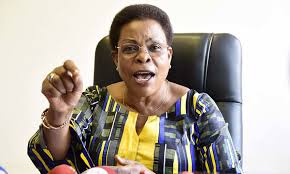
This is according to the bi-annual performance report presented to Parliament by the Inspector General of Government (IGG), Ms Beti Namisango Turwomwe Kamya.
The report says Hoima that has previously been outside the list has entered it with other districts like Lira and Jinja.
Kampala has been named the most corrupt district with 253 recorded cases followed by Wakiso with 56 cases, Mbale with 44, Masaka with 34, and Mukono with 32. Buhweju, Bukedea, Kalaki, Karenga, Luuka, and Nabilatuk registered the lowest corruption levels, with just one case each.
The persistent high numbers indicate stalled anti-corruption efforts in these districts with Kampala showing a year-on-year
In the report, of the 134 districts reviewed, Kabarole, Rakai, and Mbarara have improved and they are no longer among the worst offenders.
The IGG Spokesperson, Mr Ali Munira, attributes Kampala’s high corruption levels to its size and concentration of government offices.
“Kampala has multiple divisions and a large budget. Most government offices are located here, leading to more reported cases.” He explained.
The report also detailed 18 high profile cases across ministries, departments, and agencies (MDAs), recommending the recovery of Shs6.9b. Cases involved abuse of office, embezzlement, and financial mismanagement in institutions like the Ministry of Tourism, Uganda Revenue Authority, Uganda Electricity Transmission Company Ltd, Electoral Commission, and Kampala Capital City Authority.
Overall, the IGG concluded 360 corruption cases in MDAs and local government, recommending Shs8b in recoveries, issuing 600 administrative sanctions, and referring 16 officials for prosecution. So far, Shs4.2b has been recovered.
In total, the IGG received 1,347 complaints, of which 1,193 were sanctioned for investigation and 1,267 cases were concluded.
These included 552 corruption-related, 391 ombudsman, 324 leadership code breach cases.
The Inspectorate cited internal improvements including prosecution-led investigations and increased public engagement for the rise in concluded cases, recoveries, and convictions.
Ms Kamya appealed for increased funding to the Inspectorate saying more resources would enable robust enforcement and expand efforts to curb corruption, especially at grassroots level.
“To effectively fulfil our constitutional mandate and ensure more recoveries, we need stronger financial support.”
Representing the Speaker of Parliament, the Parliamentary Commissioner, Ms Esther Afoyochan, pledged continued legislative support and advocacy for increased funding to the IGG’s office.
“I will make a strong case in Parliament for adequate budgetary support to enable the institution of the IGG to deliver fully on its mandate,” she pledged.