





By Twesigye Aggrey
in Mbarara city—–
The Mbarara City Deputy City Clerk, Simon Ejua, has said the city’s trade and town order enforcement exercise has significantly reduced congestion and improved urban organization, although funding shortages and weak enforcement continue to hamper its full implementation.
Ejua said the exercise was introduced to address several longstanding challenges in the city, including traffic congestion, poor waste management caused by disorganized business operations, and the proliferation of temporary structures.
He added that the operation also targeted churches that had been established without the required development permission.
He explained that the city is currently working to resettle people affected by the exercise, particularly timber dealers whose businesses were displaced.
According to Ejua, the city is identifying suitable areas where the traders can be relocated.
Despite the progress made, Ejua said the trade and town order exercise requires substantial financial resources, which the city currently lacks.
He noted that authorities intend to roll out another phase of the operation once adequate funding becomes available….
The deputy city clerk said the exercise has helped decongest Mbarara City and created room for permanent developments.
He observed that within just two months, several permanent buildings have started coming up in areas that were previously occupied by temporary structures…
However, he said the city continues to face the challenge of street vendors returning to prohibited areas after being evicted.
Ejua attributed the problem to difficulties in prosecuting offenders, saying the city does not have a permanent prosecutor dedicated to handling its cases. …
As a result, many offenders are released without facing legal consequences. He appealed to the Judiciary to assign a permanent magistrate to Mbarara City to strengthen enforcement of city ordinances….
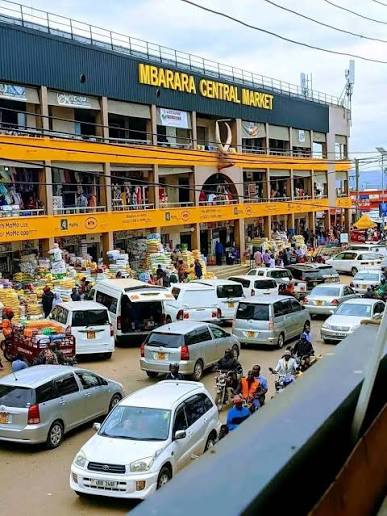
On the issue of vendor resettlement, Ejua said street vendors removed from the streets have been accommodated in the Mbarara Central Market and other public markets .
He noted that the central market alone was designed to accommodate 1,200 vendors and currently hosts 1,189, leaving only 11 stalls unoccupied.
He said the remaining stalls have already been allocated to tailors.
Ejua added that before the trade and town order exercise, many stalls in the market remained vacant. Following the implementation of the exercise, however, nearly all available trading spaces have been occupied.
He revealed that the city council had targeted to collect Shs78 million in monthly market revenue this financial year but is currently collecting about Shs50 million despite increased occupancy.
Ejua also highlighted several operational challenges facing the market, including inadequate access routes to the upper floors, a shortage of city council staff to manage the facility, and a non-functional solar power system. He further noted that vendors are currently connected to electricity through a direct supply because they lack individual electricity meters, adding that installing separate meters would significantly reduce power costs for traders.
If you’d like, I can also rewrite this in a more polished Ugandan newspaper style suitable for publications such as New Vision, Daily Monitor, or local community newspapers.
