





By Ambrose Kweronda
www.mknewslink.com
In Kabale—
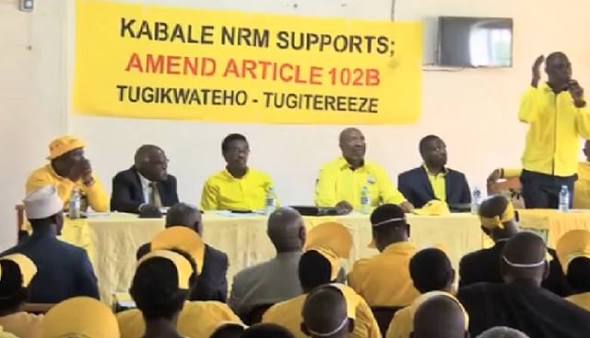
The National Resistance Movement (NRM) has registered a commanding victory in the Kabale District Local Council One (LC1) elections, securing the overwhelming majority of village chairperson seats across the district.
According to the Kabale District Returning Officer, Aisha Nansubuga, the ruling party won 79 percent of the 728 villages that participated in the elections held yesterday.
Independent candidates secured 20 percent of the village chairperson positions, while the People’s Front for Freedom (PFF) managed to win only one village. All the other political parties that fielded candidates failed to secure a single LC1 chairperson seat in the district.
Nansubuga said the electoral process was generally peaceful despite a few isolated incidents of chaos that disrupted voting in some areas. She explained that disturbances were reported in the sub-counties of Kitumba, Kyanamira, and Kaharo, forcing the Electoral Commission to postpone elections in the affected villages.
She, however, noted that electoral officials, working jointly with security agencies, returned today to organize the postponed polls, which were conducted successfully without any major incidents.
Nansubuga commended election officials, security personnel, candidates, and residents for cooperating to ensure that the electoral process was concluded peacefully.
Meanwhile, political analyst and Executive Director of Kick Corruption Out of Uganda, Robert Byamugisha Kakuru, says the election results reflect the challenges that opposition political parties faced during the campaigns.
Kakuru argues that there was what he described as a “psychological political boycott” arising from the arrest of several top opposition leaders in the period leading up to the elections. According to him, the arrests discouraged many opposition supporters from actively participating in campaign activities and reduced enthusiasm among voters.
He says the situation undermined democratic participation by weakening mobilization efforts within opposition political parties, leaving many of their candidates without sufficient grassroots support on polling day.
Kakuru further observed that inadequate voter education also affected the electoral process. He explained that many voters, particularly within the NRM, struggled to distinguish between candidates contesting for LC1 village chairperson positions and village party chairpersons during the party structures elections.
He called upon both the Electoral Commission and political parties to intensify civic and voter education ahead of future elections to ensure that voters clearly understand the positions being contested and are able to make informed decisions at the ballot box.
